
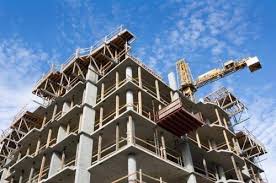
Civil work is generally divided into
Structural(strength), Architectural (aesthetics and finishes), and External
(infrastructure).
Here are the detailed breakdowns of Civil Work,
particularly in the context of Construction and Facility Management (AMC).
1. Structural Civil Works (The
"Bones")
These works ensure the building stands tall and
can bear loads. This is primarily done during construction or major
retrofitting.
Sub-Structure (Foundation):
Excavation: Digging for
foundations, basements, or underground tanks.
Piling: Driving deep concrete or steel
columns into the ground to support heavy structures (common in high-rises).
Raft Foundation: A thick concrete slab resting
on the ground to distribute the load.
Super-Structure (Frame):
RCC (Reinforced Cement Concrete): Casting
columns, beams, and slabs using steel bars (rebar) and concrete.
Steel Structure:Erecting steel
columns and trusses (often used in warehouses, factories, or airport
terminals).
Brick/Block Masonry: Constructing
internal and external walls using concrete blocks, red bricks, or AAC
(Autoclaved Aerated Concrete) blocks.
2. Architectural Finishing Works (The
"Skin")
This is the visible work that defines the look
and feel of the interior and exterior. This is the most common type of civil
work in Renovation and AMCs.
Flooring:
Hard Flooring: Marble, Granite,
Ceramic/Vitrified tiles, Kota stone.
Soft Flooring:Carpet tiles, Vinyl
rolls/sheats (common in offices and hospitals), Wooden laminates.
Industrial Flooring: Epoxy coating
(dust-proof and chemical resistant, used in factories).
Wall Finishes:
Plastering: Applying a smooth layer
of cement-sand or gypsum plaster on brick/block walls.
Painting: Priming, Putty finishing,
and applying topcoats (Emulsion, Enamel, or Texture paints).
Cladding: Fixing tiles, stone (ACP
panels), or glass facades to exterior walls.
False
Ceiling & Drywall Partitions:
Gypsum Board Ceilings: Suspending a
secondary ceiling below the main slab to hide MEP ducts and pipes.
Metal Ceilings: Perforated metal
tiles (often used in restrooms or data centers for fire resistance).
Partitions: Creating rooms using
gypsum boards or glass partitions (demountable).
Glazing & Carpentry:
* Installation of
aluminum windows, doors, and glass facades.
* Wooden fixtures,
doors, and wardrobes.
3. Civil Support for MEP & ICT
Civil work provides the necessary infrastructure
for mechanical and electrical systems to function.
Structural Openings: Cutting holes in slabs and
walls for AC ducts, cables, and pipes.
Equipment Foundations: Constructing concrete
pads (plinths) to mount heavy equipment like Chillers, DG Sets, Cooling Towers,
and Air Handling Units (AHUs).These pads often include vibration dampeners.
Trenches & Manholes: Digging trenches for
underground cabling (IT/Power) or drainage pipes, and creating manholes for
access.
Shafts: Building vertical ducts to carry
plumbing pipes and electrical risers up through the building.
4. Water Proofing & Dampness Prevention
This is a critical civil activity to protect the
building structure from water damage, which can destroy electrical and IT
assets.
Terrace Waterproofing: Applying bituminous membranes, polyurethane
(PU) coatings, or chemical additives to the roof to prevent leaks.
Bathroom Waterproofing: Treating wet areas
(under tiles) to prevent seepage into floors below.
Basement Waterproofing: "Tanking" the
basement walls to prevent groundwater ingress.
Expansion Joints: Filling the gaps between
building sections with flexible sealants to accommodate thermal expansion without
cracking.
5. External Development Works
Works done outside the main building footprint.
Paving & Roadways: Laying paver blocks,
asphalt (tarring), or concrete for driveways and parking lots.
Drainage: Storm water drains, French drains, and
soak pits to manage rainwater.
Compound Walls & Fencing: Boundary walls,
gates, and crash barriers.
Landscaping Support: Retaining walls, planters,
and walkways.
6. Civil Maintenance (AMC Perspective)
In a Facility Management context, Civil AMC is
different from MEP AMC. Civil work is often "Breakdown" or
"Project-based" rather than "Preventive."
Routine Maintenance Tasks:
Paint & Touch-up: Fixing dings in walls,
repainting corridors.
Floor Polish: Buffing and polishing marble or
terrazzo floors.
Joint Sealants: Replacing cracked silicone seals
in windows and bathrooms.
Waterproofing Repairs: Injecting grout into cracks to stop active
leaks.
Major Retrofit Projects (Shut-down jobs):
Bathroom Renovation: Gutting and re-tiling
restrooms.
Refurbishment: Replacing carpets, false
ceilings, and lighting.
Structural Repair: Concrete spalling repair
(fixing corroded steel exposed inside concrete).
|
Summary of Civil
Deliverables |
|
Category |
Key Activities | |
Typical Materials Used |
|
Structural |
Columns, Beams, Slabs, Foundations |
Concrete, Steel TMT Bars, Cement |
|
Finishing |
Flooring, Painting, Tiling, Cladding |
Marble, Tiles, Paint, Gypsum, Glass |
|
Furniture/Fixtures |
Partitions, Ceilings, Doors |
Gypsum Board, Aluminum, Wood, PVC |
|
Waterproofing |
Terrace treatment, Bathroom tanking |
Bitumen Membrane PU Liquid, Chemicals |
|
External |
Roads, Drains, Walls |
Asphalt, Paver Blocks, Bricks |
Integration Note
Civil, MEP, and ICT are interdependent.
* If Civil puts a wall in the wrong
place, **MEP** ducts won't fit.
* If Civil waterproofing fails, ICT
servers in the basement can get flooded.
* If Civil cuts a slab without
checking structural drawings, the building integrity could be compromised.
Therefore, civil work usually requires strict
**coordination drawings** to ensure clashes with pipes and cables are avoided
before construction begins.

AL BAYT 7 Tower Ground Floor Unit 3, P, Box: 12613
King Faisal bin Abdulaziz Al Saud Road Al Murabba Riyadh KSA.
Branches
Tadban/Hyderabad India,
2501 CHATHAM RD STE R SPRINGFIELD IL 62704 USA,
As Sawmhan / Barka / South Al Batinah Governorate Oman.

0535398660
0561657087
0115126975

Saturday -Thursday (9:00 AM - 6:00 PM)
Friday: Off